Discover Italian Balsamic Vinegar: History, Flavors, and Tasting Secrets
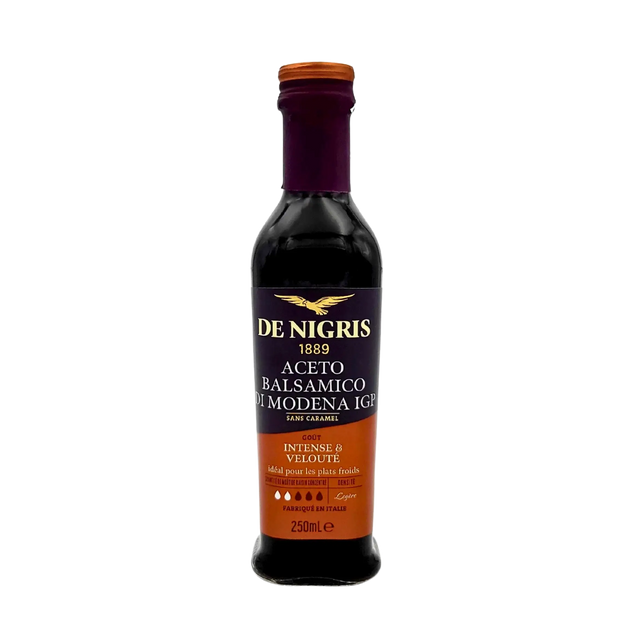
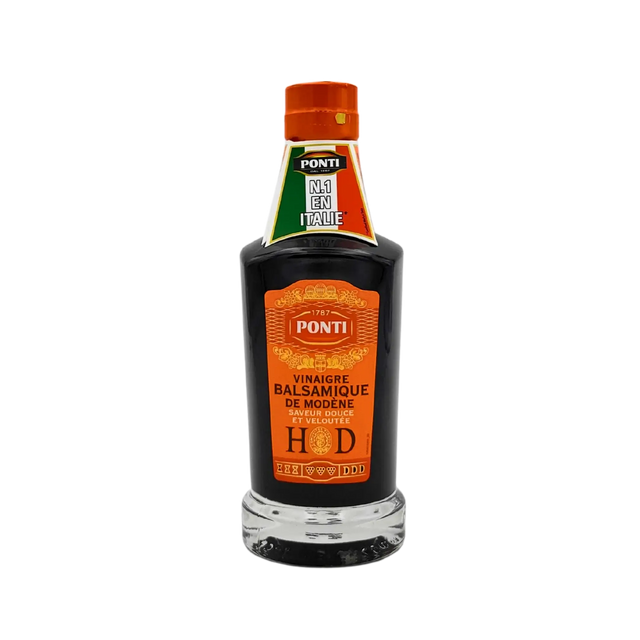
See the products in this article
Italian balsamic vinegar is not just a condiment: it is a liquid story, a heritage from Modena and Reggio Emilia where time, wood, and grape write together an incomparable depth of taste.
The origins of balsamic vinegar: a heritage from Modena and Reggio Emilia
Born in the attics of Italian families, balsamic vinegar matures with the rhythm of the seasons. The successive wooden barrels develop a woody aroma, enriched with warm notes of cooked grape. Its dark and shiny robe testifies to this long sensory journey where each year adds a caramelized nuance and a rare complexity.
How is an exceptional balsamic created?
The balsamic know-how relies on patience and mastery of time. As it ages, the must thickens, becoming almost syrupy and releasing aromas of dried fruits. The acidity rounds out, gaining in sweetness and precision until it offers a enveloping texture and a long, harmonious finish.
The great families of Italian balsamics: how to recognize them?
Balsamics are distinguished as much by their terroir as by their intensity. The IGP offers a nice balance of sweetness and acidity with a deep brown color. The Traditional DOP delivers a velvety density and an aromatic explosion inherited from decades of aging. The white balsamic brings freshness and transparency. The flavored versions express an expressive bouquet — fig, truffle, or citrus — allowing for a creative exploration of flavors.
The art of tasting balsamic: reading its nuances and emotions
A quality balsamic evolves in three stages: a tangy attack, a sweet-bitter heart, and a long, aromatic finish. Its coating texture prolongs the aromas and reveals a remarkable persistence. Each sensation, from the first woody smell to the last sweet note, testifies to the duration of its aging.
Choosing your balsamic according to your desires
For a lively and light touch, favor fluid versions with fine acidity. To enhance more intense dishes, a coating texture with caramelized notes will bring depth and warmth. Those intended for sweet pairings possess a dense sweetness and an aromatic complexity that naturally blend with fruity or creamy textures.
The EasyGusto selection: the best of artisanal know-how
Each bottle offered by EasyGusto expresses a different identity: a controlled aromatic intensity, a long aging that brings depth, and a mouthfeel finesse typical of Italian family houses. It is an invitation to discover a taste heritage that is authentic and vibrant.
✨ Why is it unique?
- A know-how passed down through generations in the regions of Modena and Reggio Emilia.
- A patient aging that reveals velvety density and concentrated aromas.
- Precise sensory nuances: dried fruits, caramel, woody notes.
- A diversity of profiles ranging from fresh white balsamic to complex traditional.
🙋♂️ Frequently Asked Questions
What distinguishes artisanal balsamic?
The aging time, the choice of barrels, and the natural concentration of the must give it a depth that industrial versions cannot reach.
Why are some bottles denser than others?
This texture is the result of years of slow evaporation, which concentrates the flavors and rounds out the acidity.
Is white balsamic real balsamic?
Yes, it shares the principle but favors freshness and lightness rather than the dark density of traditional versions.
Let your senses speak… and explore our selection just below 👇
Products in this article